The Order to Build the Six Spaces of Your Hub
Opening all six spaces on day one fills your hub with empty rooms. Here is the build order that matches where you are right now.
A first-time visitor to your hub does not read your roadmap. They read the room. If the discussion board has three posts, the course library has one module, and the events page says "coming soon," they do not think "this place is growing." They think "this place is quiet," and they leave before they have a reason to stay. Six half-empty rooms are harder to recover from than one full one.
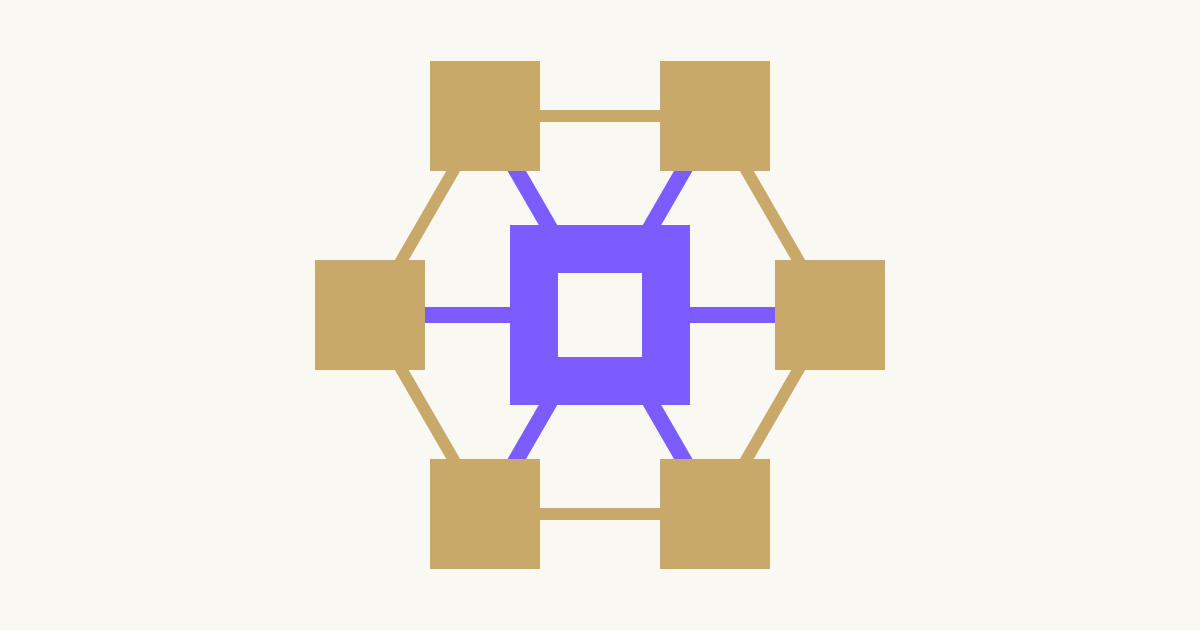
RoiArea is built around six connected spaces - Community, Courses, Live Sessions, Content, Resources, and Members. The architecture assumes they eventually work together. The mistake most builders make is treating "eventually" as "immediately." This post gives you a build order based on what you already have, not on what the platform can technically open.
Start With What You Already Own
Before you pick your first space, answer one question honestly: what do you have right now? Your answer determines the only sensible starting point.
- An audience without a product - start with Community. People who already know you are willing to show up for conversation before they pay for anything. Give them a place to talk, and you will learn what to build next from the threads they start.
- A product without an audience - start with Courses. If you have curriculum ready, publishing it gives a new visitor something to evaluate immediately. A solid course is a credibility signal that a blank discussion board is not.
- A body of work without either - start with Content. Articles, essays, and guides that already exist can be published quickly, give the hub a voice, and attract the first organic visitors who become your first members.
Your first space should feel lived-in before you open a second one. "Lived-in" is not a feeling - it is a count. For Community, it is at least 15 meaningful posts. For Courses, it is at least one complete module with a working completion flow. For Content, it is at least six published pieces.
How Each Space Earns Its Opening
Do not open a space because it is the next item on a calendar. Open it when a specific signal appears.
Live Sessions earns its opening when members ask where they can talk to you directly - not when you want to host a call. A scheduled session with five registrants is painful for everyone. Wait until you have enough active members that a session has a realistic chance of twenty-five or more attendees, then launch with a specific topic pulled directly from your Community threads.
Resources earns its opening when you have accumulated at least eight discrete files, templates, or tools that members genuinely ask for. Resources is not a catch-all folder. It is a curated library. An empty or near-empty library trains visitors to ignore it permanently - and once ignored, it is very difficult to re-establish as a destination.
Members earns its opening earlier than most builders expect - ideally as the second space, regardless of which space you started with. A member directory does something none of the other spaces do: it makes the community legible. When a new person joins and can see who else is here, what they do, and what they are working on, the hub stops being a platform and starts being a place. Profiles create social proof that no amount of polished course content can replicate.
Why Members and Resources Hold the Hub Together
Community, Courses, and Live Sessions attract attention. Members and Resources retain it. These two spaces do their work invisibly - Members by making each person feel placed and recognized, Resources by giving members a reason to return when they are not in a course or a conversation.
A hub without a member directory is a crowd. A hub without a resource library is a series of events with nothing to take home. Both gaps are recoverable early; both become structural problems if you wait eighteen months to address them.
How to Close a Space Without Looking Unfinished
The worst version of a closed space is a greyed-out tab with no explanation. The best version is a closed space that communicates intent without overpromising a date.
Three things make a closed space read as deliberate rather than abandoned:
- A one-sentence description of what the space will contain, written in plain language. Not "coming soon" - something like "Templates and tools added as we build them together."
- A way to register interest - a simple "notify me" or a relevant thread in Community where the topic is already alive.
- Consistency between what is closed and what is open. If your Community is active and your Courses are populated, a closed Live Sessions tab reads as a sensible next step. If everything is thin, every closed tab compounds the problem.
A Practical Build Order
If you are starting this month and need a concrete sequence to test against your own situation, this is a reasonable default:
- Open your anchor space (Community, Courses, or Content - whichever matches what you already have). Do not open a second space until this one has density.
- Open Members as your second space, even before you think the community is large enough. Twenty-five visible profiles is enough to make the hub feel real.
- Open your second content or delivery space - whichever of Courses or Content you did not start with - once your anchor space has steady weekly activity.
- Open Resources when you have eight or more items worth filing there - not before.
- Open Live Sessions last, when the community has enough active members to fill a room and enough accumulated questions to fill an agenda.
A hub is not a product launch. It is infrastructure. Infrastructure earns trust by working reliably on a small scale before it is asked to carry more weight.
The six spaces are designed to reinforce each other - but only once each one has something real inside it. Pick your anchor, fill it until it has gravity, open Members early, and let the remaining spaces open in response to what your members actually do. That sequence is slower than launching everything at once. It is also the one that produces a hub people come back to.